FREE SHIPPING ON ORDERS OVER €120 IN THE PENINSULA

Electronic Audio Experiments Scattering

Electronic Audio Experiments Scattering – MN3011-inspired stereo multi-tap reverb

Stereo reverb · Tapped delay lines · MN3011-inspired · Analog/digital hybrid · True stereo · Analog preamp · Morphing · Assignable LFO · MIDI · 16 presets · 9V 120mA

Leer más >

 499,00 VAT included

In stock

DESCRIPTION

Electronic Audio Experiments Scattering – MN3011-inspired stereo multi-tap reverb

Stereo reverb · Tapped delay lines · MN3011-inspired · Analog/digital hybrid · True stereo · Analog preamp · Morphing · Assignable LFO · MIDI · 16 presets · 9V 120mA

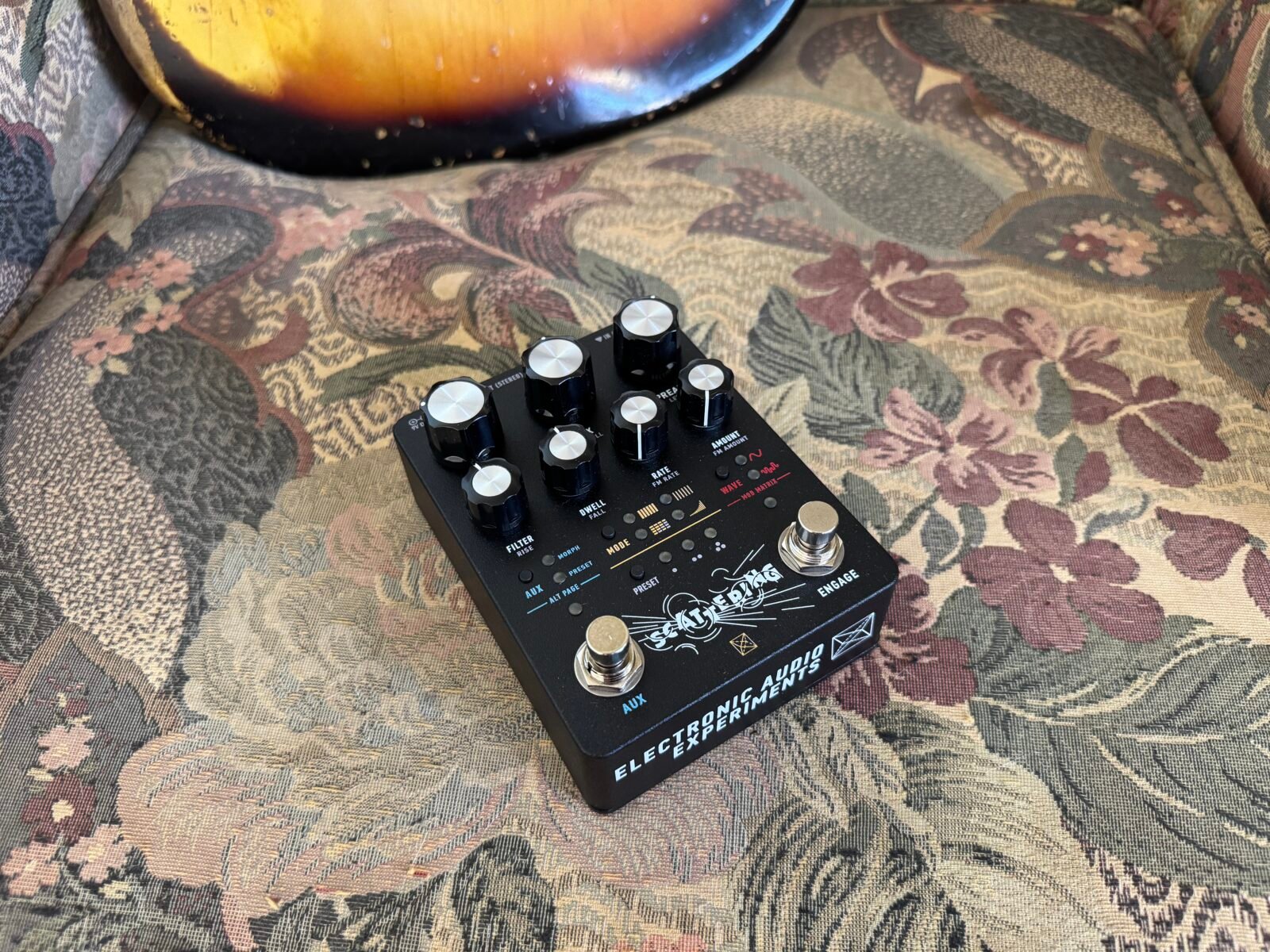
The Electronic Audio Experiments Scattering is a stereo reverb that does not try to sound like a traditional digital reverb. Instead of building a diffuse, uniform cloud, it works with networks of tapped delay lines, creating reflections, scattered echoes and spaces that feel more alive, rhythmic and unpredictable.

In terms of sonic territory, Scattering sits among multi-tap reverbs, early reflections, resonator reverbs, delay-line networks and experimental spatial processors. It also connects with EAE’s more unusual universe, close to pedals like Hypersleep and Prismatic Wall, where the line between delay, reverb, modulation, saturation and spatialization becomes much thinner.

Its technical inspiration revolves around the rare, discontinued MN3011, a multitap BBD device. Scattering is not a strict vintage recreation, but a hybrid analog/digital interpretation of that concept: 24-bit digital processing with variable sample rate, analog filtering, analog emphasis, high-headroom analog dry path and analog mixing. The result can be bright, metallic and ringing, or darker, saturated and murky.

The pedal offers 4 modes, based on different permutations of MN3011-inspired tap ratios: X1, X2, Matrix and Nonlinear. Each mode changes the way echoes scatter through space, from clearer and more practical reflections to denser, crossed, stranger or more chaotic behavior.

The Preamp section controls a high-headroom stereo analog gain stage. It can stay neutral, act as a boost, add textural saturation or push the reverb into more aggressive territory. The Filter control is a stereo analog two-pole low-pass filter at the reverb output, letting you darken tails and tame harsher top-end reflections.

Scattering is also deep enough for modern live and studio rigs: it has 16 presets, three accessible from the front panel and the rest via MIDI; a CTRL jack for MIDI, expression or CV; an assignable LFO with periodic and random waveforms; and expressive morphing between two knob states with intelligent momentary/latching behavior and adjustable rise/fall times.

This is a reverb for players who want space, yes — but also movement, texture, saturation, pseudo-delay, double-tracking, ghost echoes and reflections that refuse to behave like a normal room. A true stereo box for exploring what happens when reverb stops trying to be realistic and becomes an instrument.

Key features

  • Stereo reverb based on networks of tapped delay lines
  • Inspired by permutations of the rare MN3011 multitap BBD
  • 24-bit analog/digital hybrid processing
  • True stereo signal path
  • High-headroom analog dry path
  • Analog VCA mixer
  • Four modes: X1, X2, Matrix and Nonlinear
  • Stereo analog preamp for boost, saturation or color
  • Two-pole analog low-pass filter at the reverb output
  • Dwell feeds the reverb back onto itself
  • Can saturate, modulate and spatialize with immediacy
  • Assignable LFO with periodic and random waveforms
  • Expressive morphing with momentary/latching behavior
  • Adjustable rise/fall times for morphing
  • 16 presets: 3 from the front panel, the rest via MIDI
  • Full MIDI implementation for CCs and presets
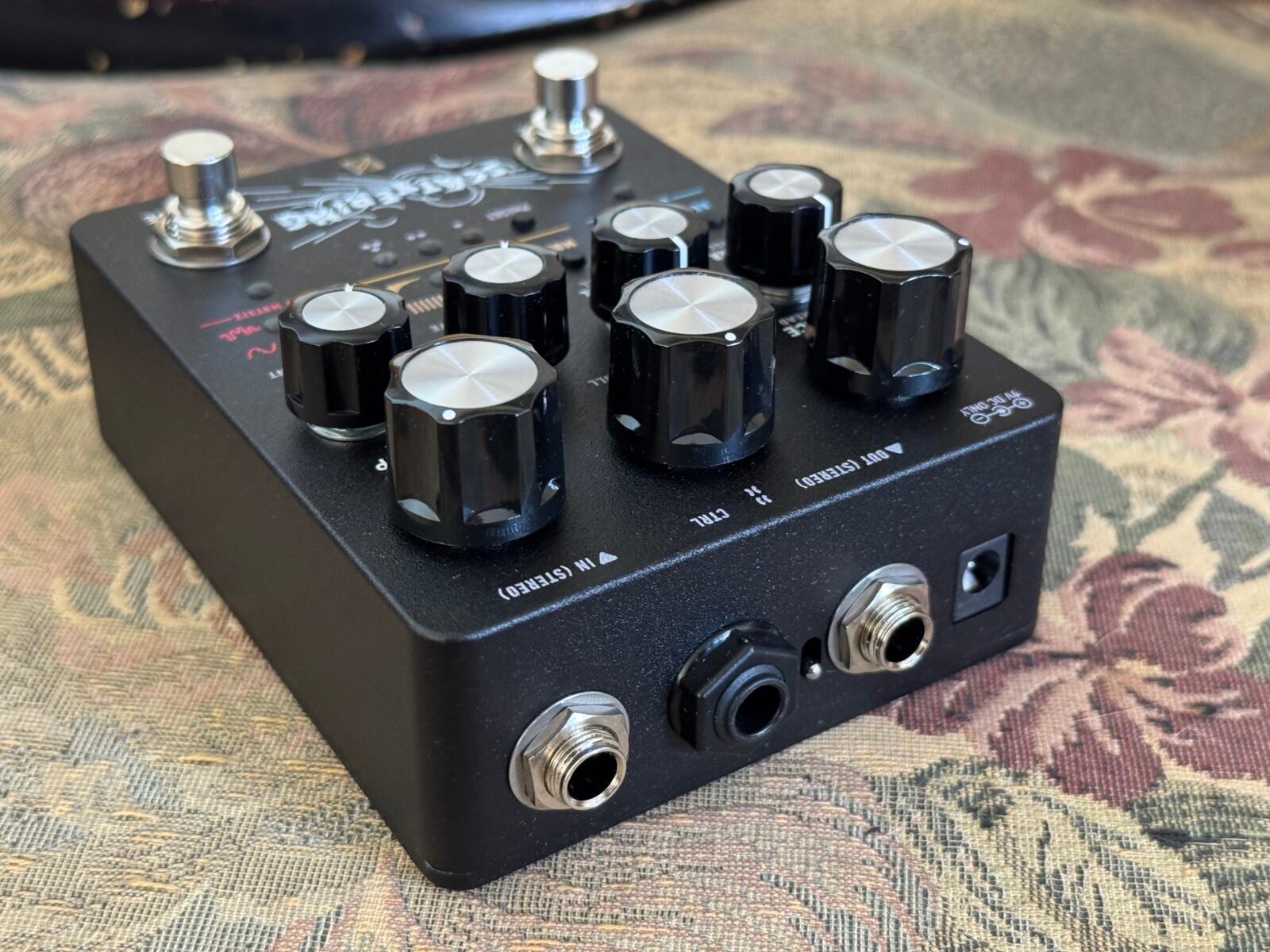
  • CTRL jack for MIDI, expression and CV
  • Firmware updates via MIDI Sysex
  • Electronic bypass with buffered or trails modes

Controls

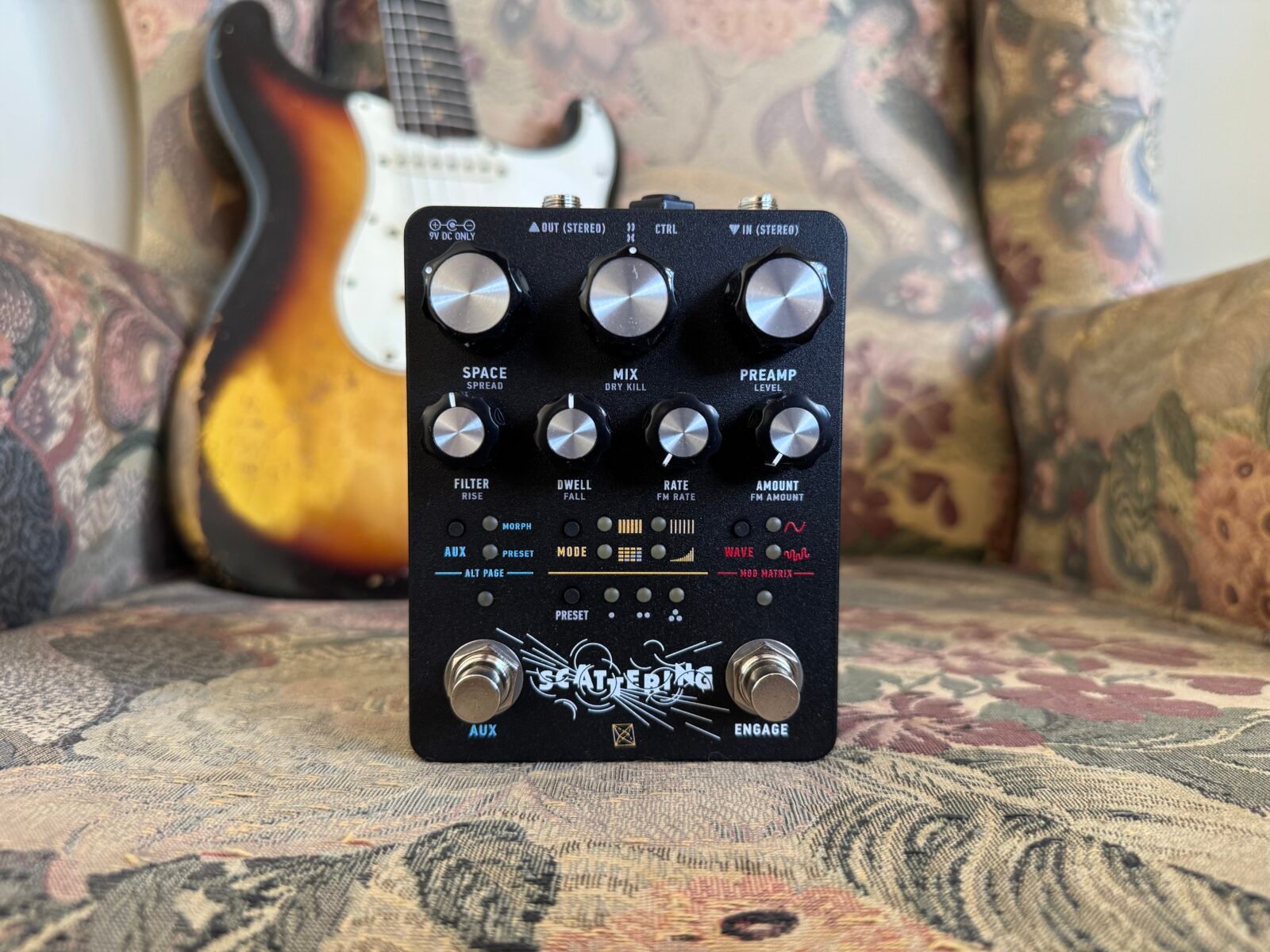
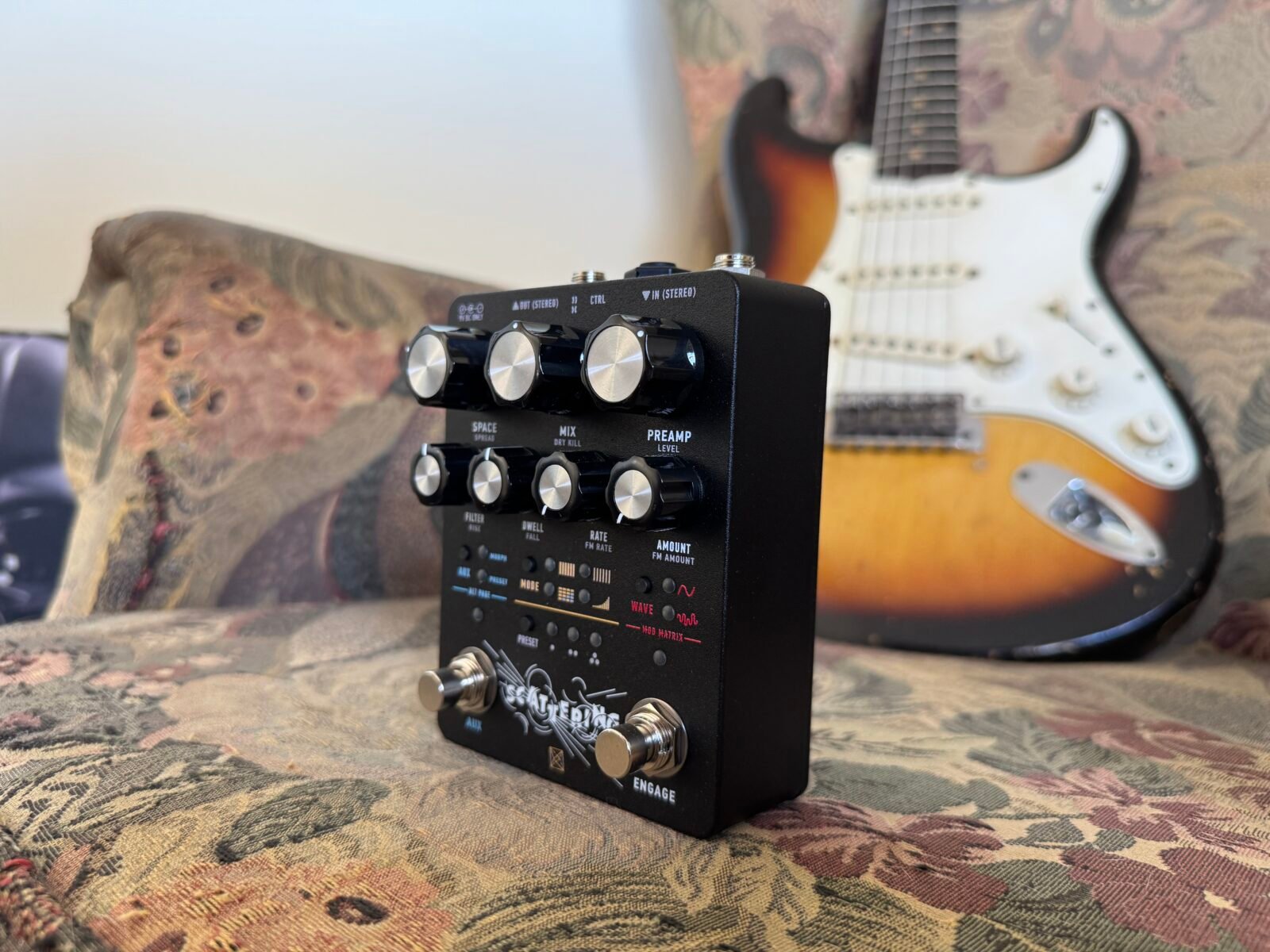
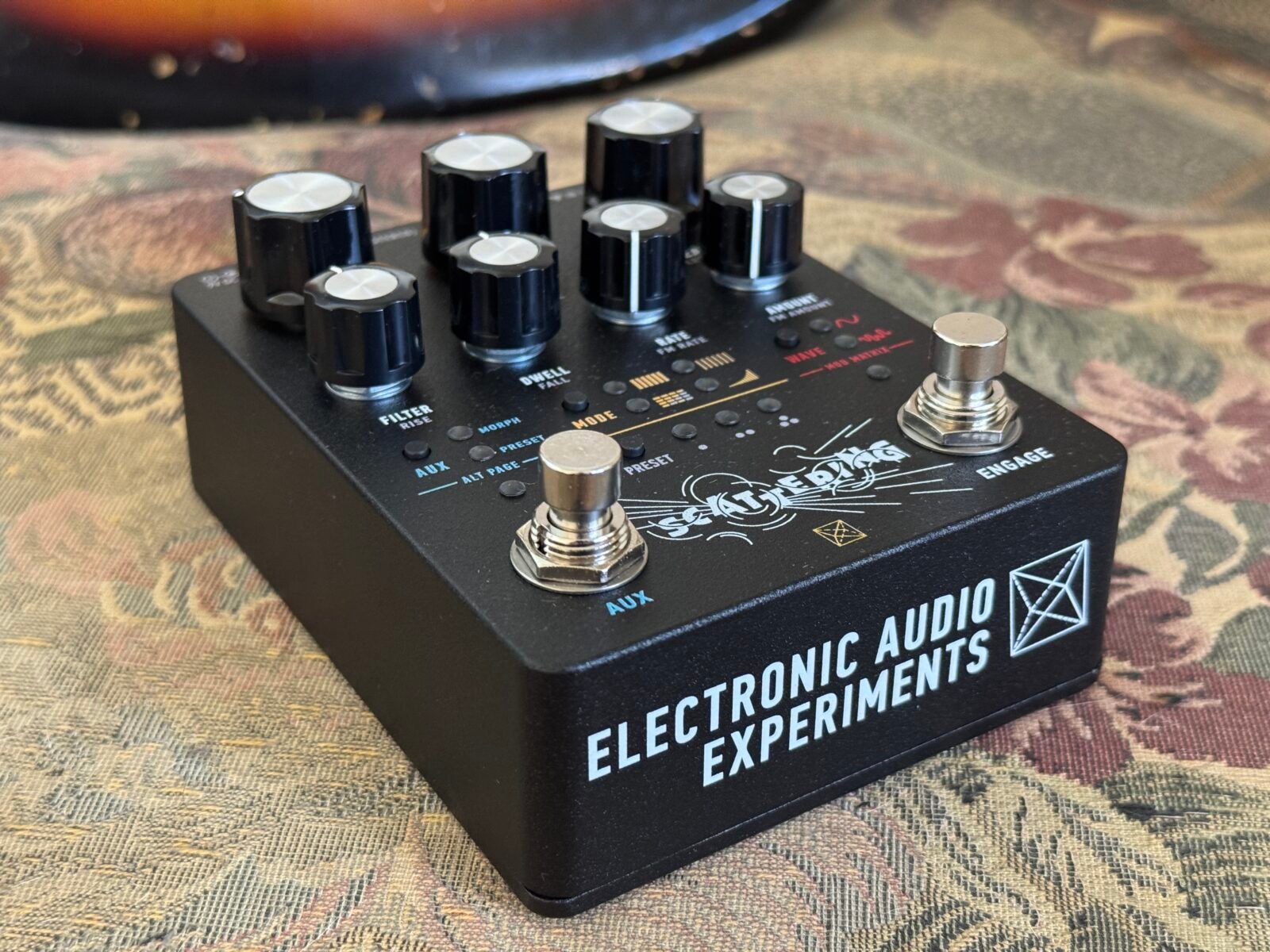
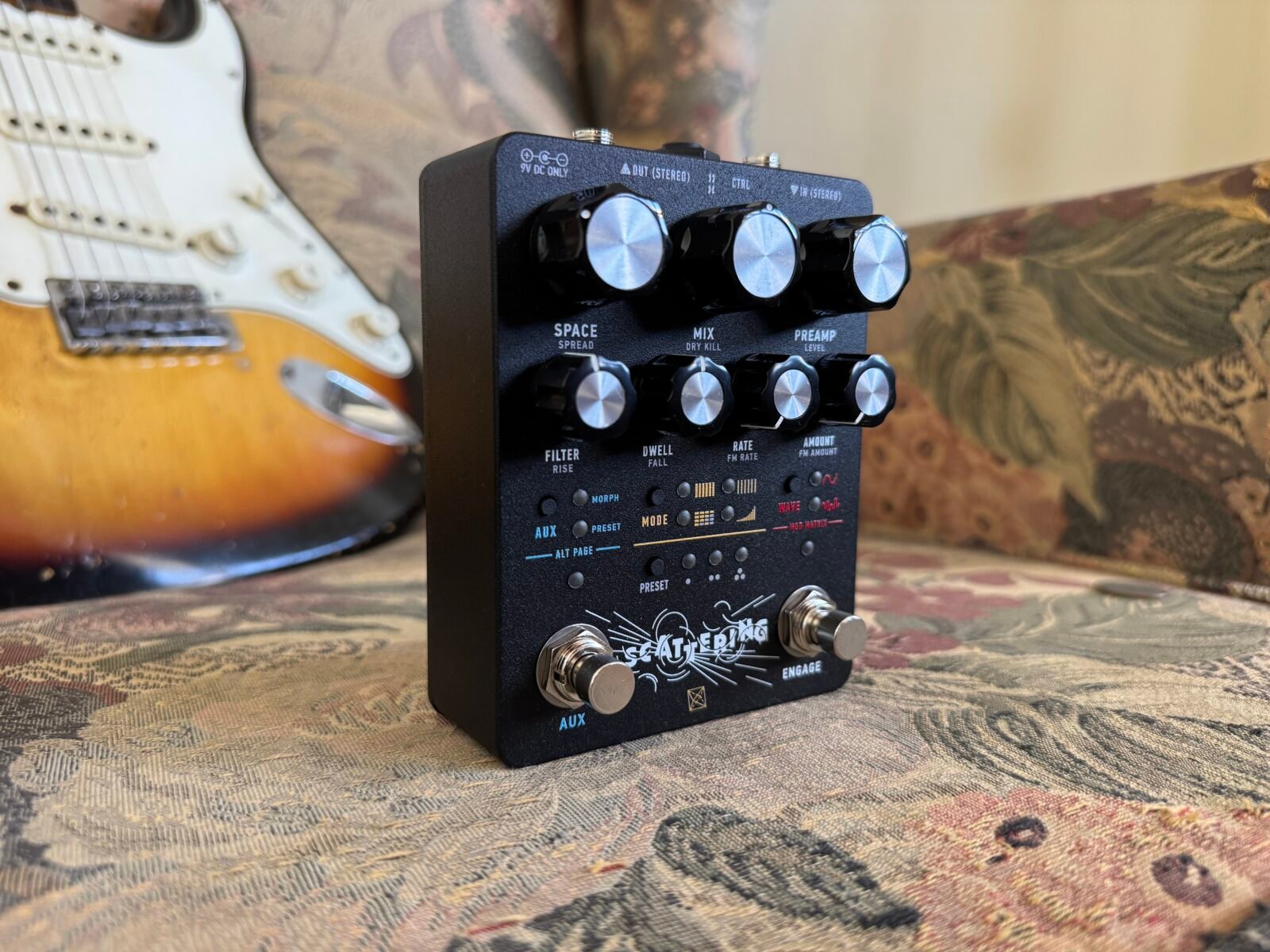
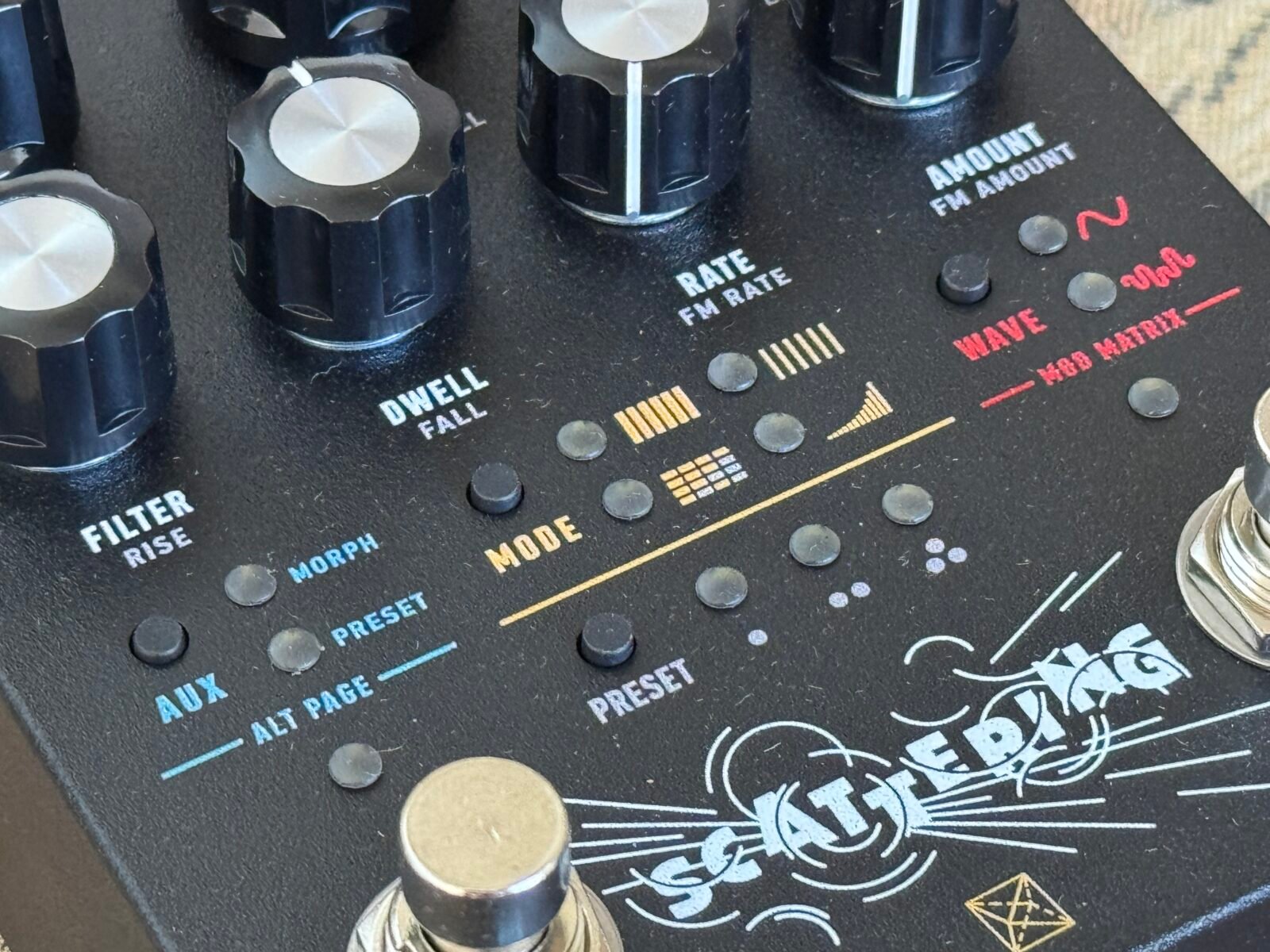
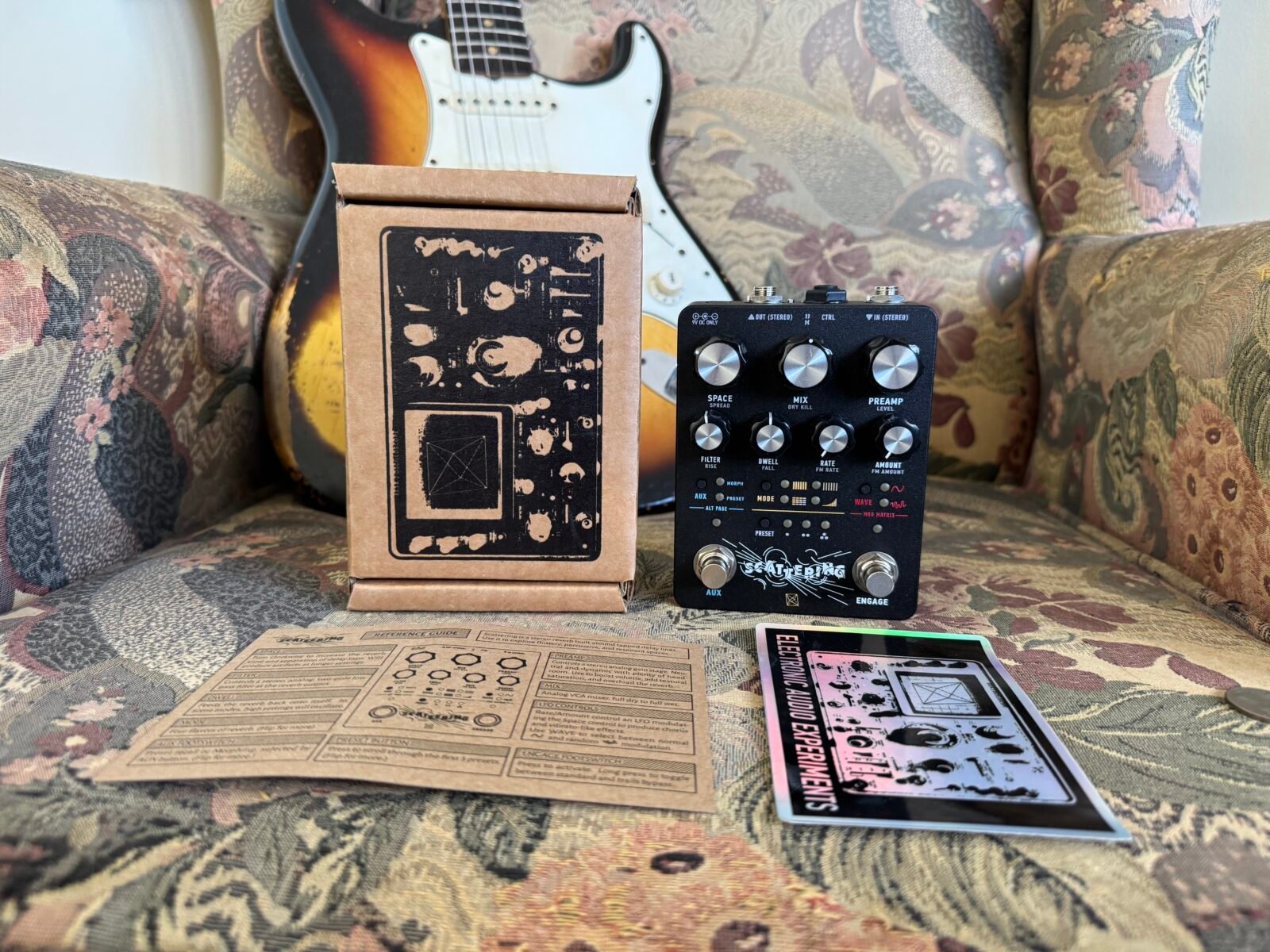
  • Space: increases reverb time and separation between delay taps; longer settings may create musical artifacts
  • Mix: analog VCA blend from full dry to full wet
  • Preamp: stereo analog gain for boost, saturation or overloading the reverb
  • Filter: stereo analog two-pole low-pass filter at the reverb output
  • Dwell: feeds the reverb back onto itself; in some modes it can oscillate
  • LFO Rate / Amount: LFO speed and intensity; modulates Space by default
  • Mode: selects one of the four reverb modes
  • Wave: selects LFO waveform between periodic and random modes; long press accesses the Mod Matrix
  • Engage: turns the pedal on/off; long press toggles standard/trails bypass
  • Aux: in Morph mode, jumps between two distinct knob settings; in Preset mode, scrolls through the first three presets
  • Aux Button: sets the Aux footswitch behavior and accesses alternate functions

Technical specifications

  • Type: stereo multi-tap reverb / delay-line network
  • Processing: analog/digital hybrid
  • Resolution: 24 bit
  • Sample rate: variable
  • Signal path: true stereo
  • I/O: TRS stereo input and TRS stereo output
  • Dry path: high-headroom analog
  • Presets: 16 slots
  • MIDI: CCs, presets and parameter control
  • CTRL: MIDI, expression and CV
  • LFO: assignable, with periodic and random waveforms
  • Bypass: electronic bypass with buffered or trails modes
  • Input impedance: 1MΩ @ 1kHz
  • Output impedance: 1kΩ @ 1kHz
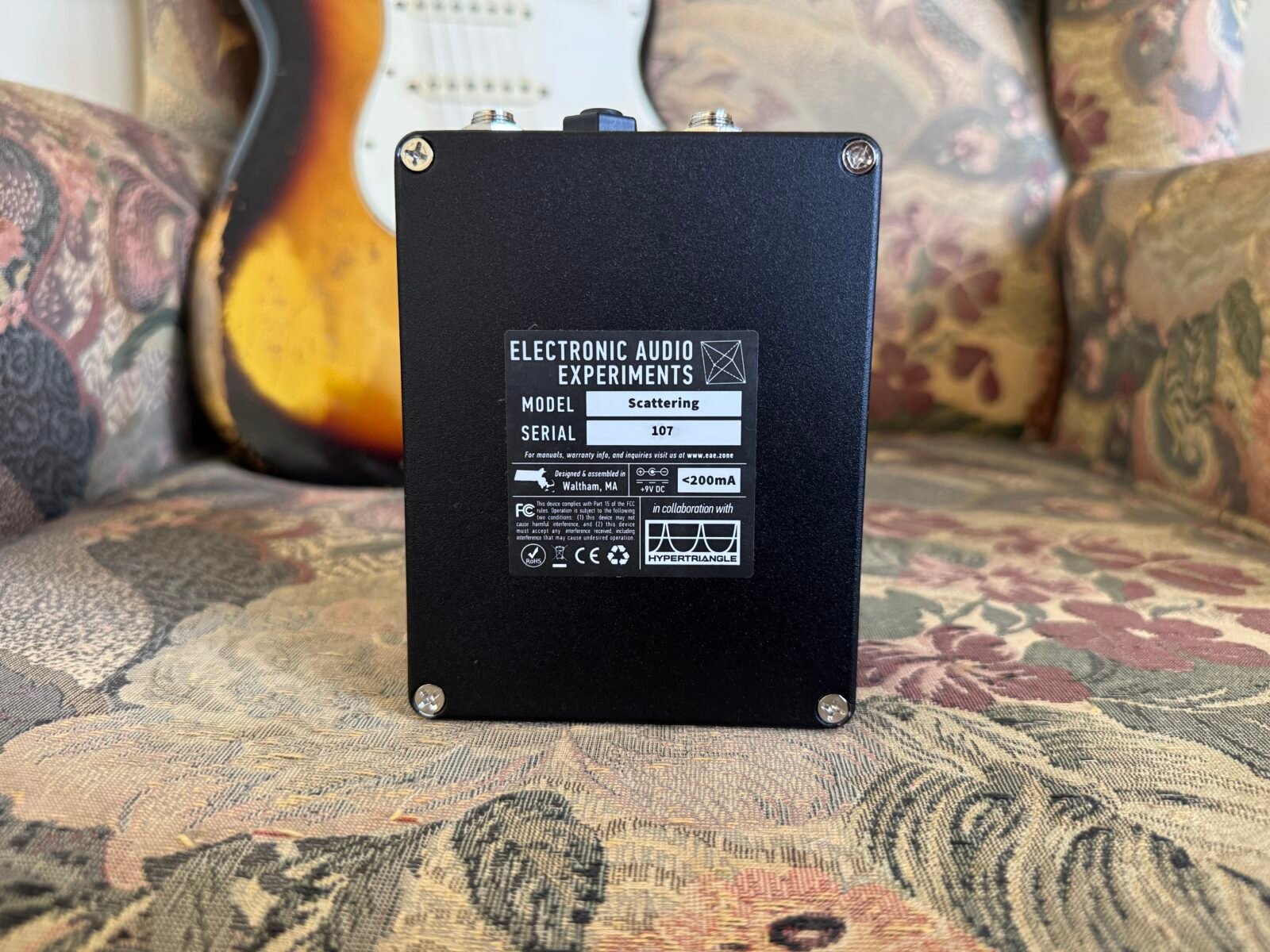
  • Power: 9V DC center-negative
  • Connector: 2.1mm barrel
  • Protection: reverse polarity and over-voltage up to 24V
  • Current draw: 120mA typical, 200mA surge at startup
  • Dimensions: 121 × 94 × 38 mm
  • Enclosure: Hammond 1590BB2
  • Manufacturer: Electronic Audio Experiments

Find the Electronic Audio Experiments Scattering at onemorepedal.com.

A reverb that doesn’t build rooms: it throws echoes into space and lets them collide.
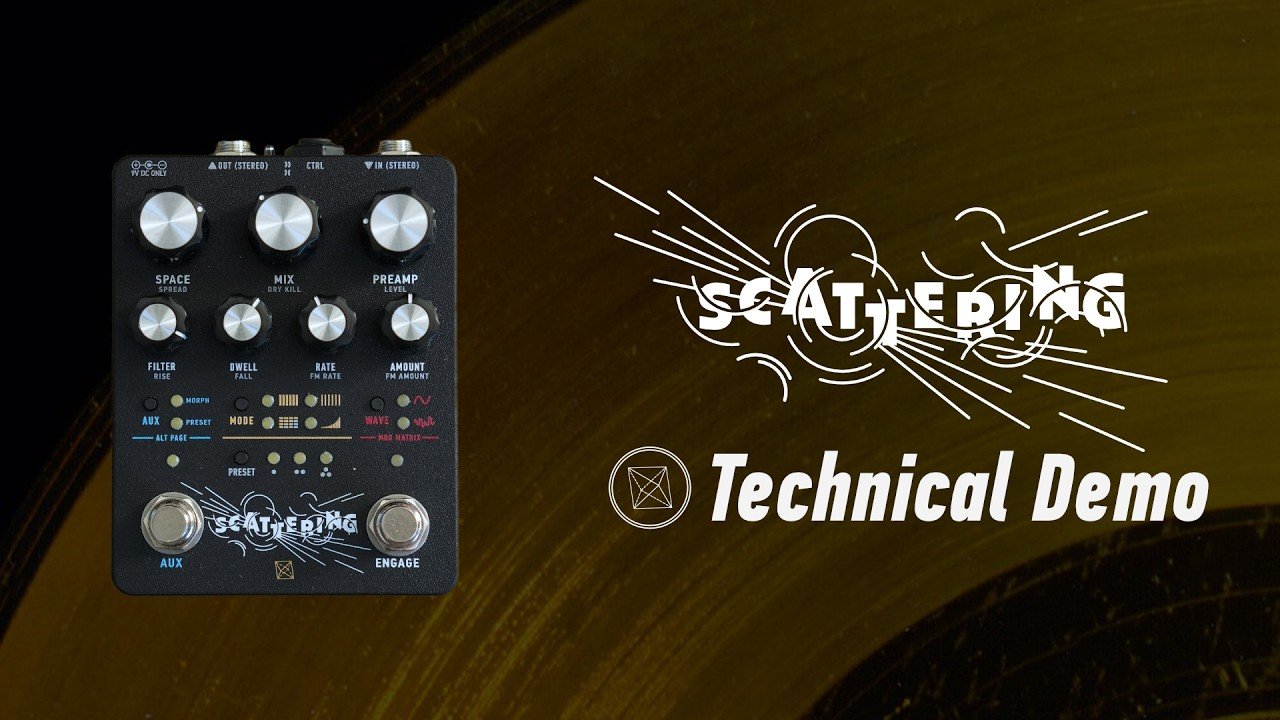
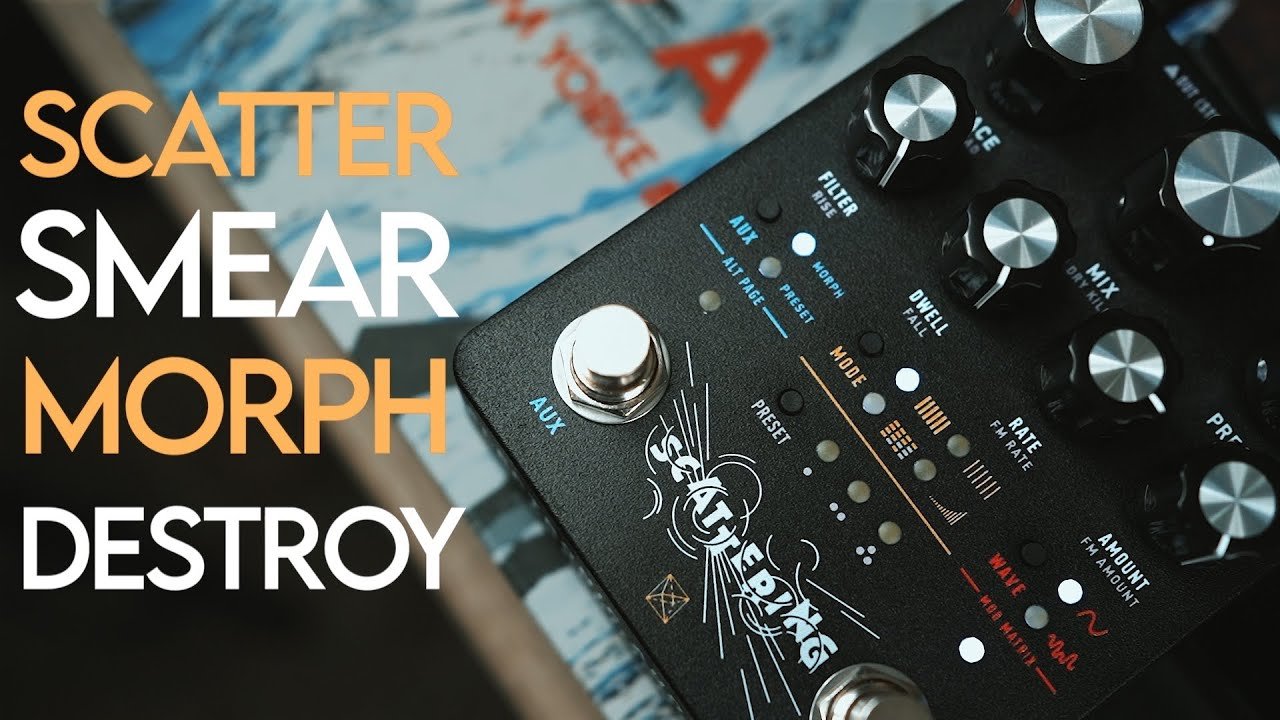
Scattering Technical Demo

EAE: Scattering- The Spiritual Successor to Hypersleep